
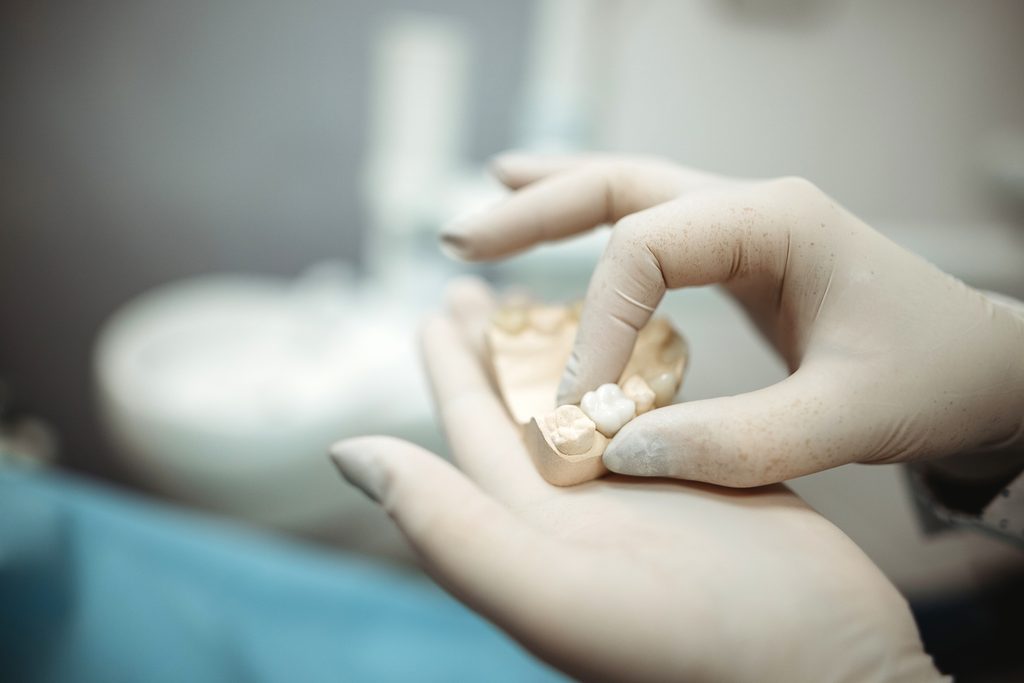
Root canal therapy is one of the most effective ways to save a tooth that has become infected or badly inflamed. Once the pain is gone, many patients feel ready to move on. But for most back teeth, the root canal is only the first step. A crown is often needed to protect the treated tooth and help it last for years to come. For Upland patients, understanding why this second step matters can prevent a cracked tooth and the need for more extensive treatment later. At California Dental Group, we help patients see the full picture so they can protect the tooth they worked to save.
What Changes in a Tooth After a Root Canal
During root canal therapy, the infected or damaged pulp inside the tooth is removed, and the canals are cleaned, disinfected, and sealed. This eliminates the infection and relieves pain, but it also changes the tooth in important ways:
- Loss of tooth structure: To reach the canals, an opening is made through the top of the tooth. Teeth that need root canals often already have large fillings or significant decay, so there may be little healthy structure left.
- Increased brittleness: Without its internal blood supply, a treated tooth can become more brittle over time.
- Weaker chewing surfaces: The remaining walls of the tooth are more likely to crack under normal biting forces.
Why Back Teeth Usually Need a Crown
Molars and premolars handle the heaviest chewing forces in your mouth. A treated back tooth without full coverage is at a higher risk of fracturing. A dental crown fits over the entire tooth and helps hold it together.
A crown after a root canal can:
- Prevent cracks and fractures: Full coverage distributes biting pressure across the whole tooth.
- Seal out bacteria: A well-fitted crown helps keep new bacteria from reaching the treated canals.
- Restore normal chewing: You can bite and chew with confidence again.
- Improve appearance: Crowns can be matched to the color of your natural teeth.
Front teeth, which experience less chewing force, sometimes only need a filling after a root canal. Your dentist will recommend the best option based on the tooth’s location and how much natural structure remains.
What Happens If Upland Patients Delay the Crown
It can be tempting to put off a crown once the tooth stops hurting, but waiting carries real risks:
- Tooth fracture: A cracked tooth may break below the gumline, and in severe cases it cannot be saved.
- Reinfection: A temporary filling can wear down or leak, allowing bacteria back into the tooth.
- Loss of the tooth: A tooth that fractures badly may need to be extracted, which means additional treatment to replace it.
Scheduling your crown soon after your root canal is the best way to protect your investment in saving the tooth.
Are There Alternatives to a Full Crown?
In some cases, when a back tooth still has healthy walls, a more conservative restoration may be an option. An onlay covers and strengthens the chewing surface, including the cusps, while preserving more natural tooth structure than a full crown. Your dentist will evaluate the tooth to determine which approach offers the best protection.
Caring for Your Crowned Tooth
Once your crown is in place, treat it like a natural tooth. Brush twice a day, floss daily, and keep up with regular check-ups so your dentist can monitor the crown and the tooth beneath it.
Protect the Tooth You Saved
A root canal gives your tooth a second chance, and a crown helps make that chance last. If you have had a root canal and have not yet completed your restoration, or if you are experiencing tooth pain, the team at California Dental Group is here to help. Call 800-407-0161 today to schedule your appointment.
