
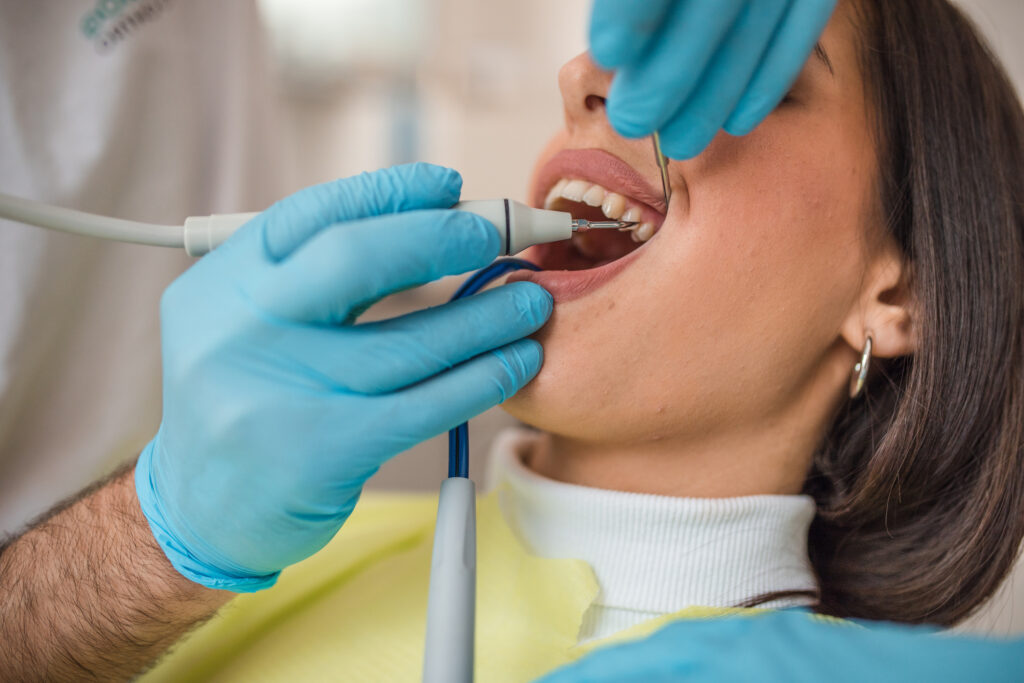
Routine dental cleanings play a major role in keeping your teeth and gums healthy, but in some cases, a standard cleaning simply isn’t enough. When plaque and tartar build up below the gumline, they can lead to gum disease that requires more advanced care. A deep teeth cleaning, also known as scaling and root planing, is designed to address these issues before they cause lasting damage. Knowing the signs can help you take action early and protect your oral health.
What Is a Deep Teeth Cleaning?
A deep teeth cleaning goes beyond the surface-level cleaning performed during a routine visit. While a regular cleaning focuses on removing plaque and tartar from the visible surfaces of the teeth, a deep cleaning targets buildup below the gumline. This area is where harmful bacteria thrive and where gum disease often begins.
Scaling removes plaque and tartar from the teeth and beneath the gums, while root planing smooths the tooth roots to help gums reattach and heal. This process helps stop the progression of gum disease and reduces inflammation.
Common Signs a Regular Cleaning May Not Be Enough
Gum disease often develops quietly, without obvious pain in the early stages. Some of the most common warning signs include gums that bleed when brushing or flossing, persistent bad breath, redness or swelling along the gumline, and gum recession. You may also notice tenderness in the gums or a feeling that your teeth are longer than they used to be.
In more advanced cases, loose teeth or discomfort when chewing may occur. These symptoms signal that bacteria have moved below the gumline and that deeper treatment may be necessary.
How Dentists Determine the Need for Deep Cleaning
During a dental exam, your dentist or hygienist will measure the spaces between your teeth and gums. Healthy gums typically have shallow pockets, while deeper pockets indicate gum disease. X-rays may also be used to evaluate bone levels around the teeth.
If measurements show signs of periodontal disease, a deep teeth cleaning may be recommended to prevent further progression and reduce the risk of tooth loss.
Why Early Treatment Matters
Addressing gum disease early can make a significant difference in long-term outcomes. Deep teeth cleaning can help control infection, reduce inflammation, and allow gum tissue to heal. Without treatment, gum disease can advance, leading to bone loss, loose teeth, and the need for more complex periodontal care.
Early intervention also supports better overall health, as untreated gum disease has been linked to conditions such as heart disease and diabetes.
What to Expect After a Deep Teeth Cleaning
After treatment, it’s normal to experience some tenderness or sensitivity as your gums heal. Your dentist may recommend special oral hygiene techniques or follow-up visits to monitor progress. With proper care and regular maintenance, many patients see noticeable improvements in gum health after deep cleaning.
Protecting Your Gum Health Long Term
Maintaining good oral hygiene at home and keeping up with professional visits are key to preventing future issues. For patients with a history of gum disease, ongoing periodontal maintenance may be recommended to keep bacteria under control.
If you’re noticing changes in your gums or have been told a regular cleaning may not be enough, California Dental Group can help. Call 800-407-0161 to schedule an evaluation and find out whether a deep teeth cleaning is right for you.
