
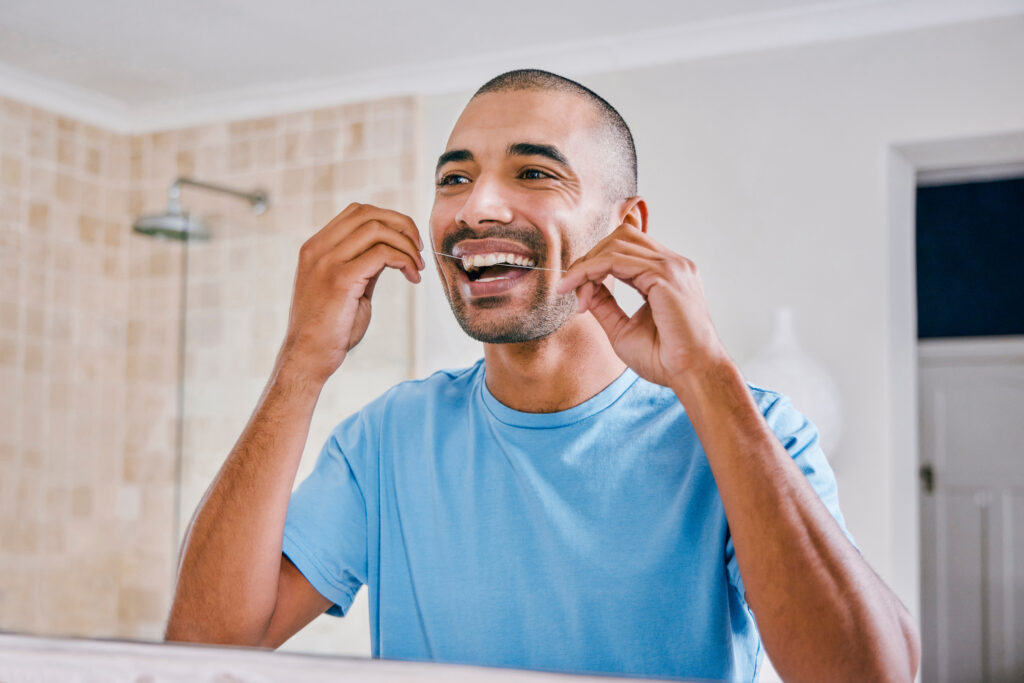
Flossing is one of the easiest parts of an oral hygiene routine to skip. It doesn’t cause immediate pain, and missing a day—or even several—often doesn’t feel like a big deal. But flossing plays a critical role in controlling plaque, especially in areas your toothbrush can’t reach. Skipping flossing for just one week can trigger changes in your mouth sooner than most people expect.
At California Dental Group, we regularly see how quickly gum health can decline when interdental cleaning falls off—even temporarily.
What Happens in the First Few Days Without Flossing
Within 24 to 48 hours of skipping flossing, plaque begins to accumulate between teeth. Plaque is a sticky film of bacteria that forms constantly, and brushing alone cannot remove it from tight spaces.
As plaque builds up:
- Bacteria multiply between teeth
- Gums become irritated more easily
- Inflammation may begin at the gumline
At this stage, changes are subtle, but the groundwork for gum irritation is already forming.
By Day Four or Five: Gums Start to React
After several days without flossing, many people notice visible signs. Gums may look slightly red or swollen, and flossing again may cause bleeding. This bleeding is not caused by flossing itself—it’s a response to inflammation from plaque buildup.
This stage is often early gingivitis. While reversible, it signals that bacteria are actively irritating the gums and need to be removed consistently.
After One Week: Plaque Becomes Harder to Control
After about a week without flossing, plaque between teeth becomes thicker and more organized. While it hasn’t fully hardened into tartar yet, it becomes more difficult to remove and more irritating to the gums.
At this point, you may notice:
- Bleeding when flossing resumes
- Persistent bad breath
- Tender or puffy gums
- A bad taste in the mouth
If flossing continues to be skipped beyond this point, plaque can harden into tartar, which cannot be removed at home and requires professional cleaning.
Why Flossing Matters More Than Brushing Alone
Brushing cleans the exposed surfaces of teeth, but flossing removes plaque from areas most prone to cavities and gum disease—between teeth and just below the gumline.
Without flossing:
- Cavities can develop between teeth unnoticed
- Gum inflammation can progress into gum disease
- Bacteria remain undisturbed for days at a time
This is why patients who brush well but skip flossing can still develop dental problems.
How to Get Back on Track Without Hurting Your Gums
If your gums bleed when you resume flossing, the solution is consistency—not stopping again.
To get back on track:
- Floss gently once a day
- Use proper technique without snapping the floss
- Expect mild bleeding for a few days
- Stay consistent to allow gums to heal
Bleeding usually improves within one to two weeks as inflammation decreases.
If floss feels difficult, floss picks or water flossers can help reestablish the habit without discomfort.
When Skipping Flossing Becomes a Bigger Problem
Occasional lapses happen, but repeated weeks without flossing significantly increase the risk of gum disease. Over time, untreated inflammation can lead to deeper gum pockets, bone loss, and tooth mobility.
If bleeding persists despite daily flossing, professional evaluation is important.
How Professional Care Helps Reverse the Damage
At California Dental Group, routine exams and cleanings remove plaque and tartar that home care can’t reach. We also help patients identify which interdental tools work best for their teeth and gums, making flossing easier to maintain long-term.
Professional cleanings reset your oral health and give your gums a chance to heal fully.
Small Habit, Big Impact
Flossing only takes a minute or two, but its impact on gum health is significant. Skipping it for a week may seem harmless, but the effects add up quickly.
If it’s been a while since your last cleaning or flossing feels uncomfortable, call 800-407-0161 to schedule an appointment at California Dental Group. We’ll help you get back on track and protect your smile before small issues turn into bigger ones.
