
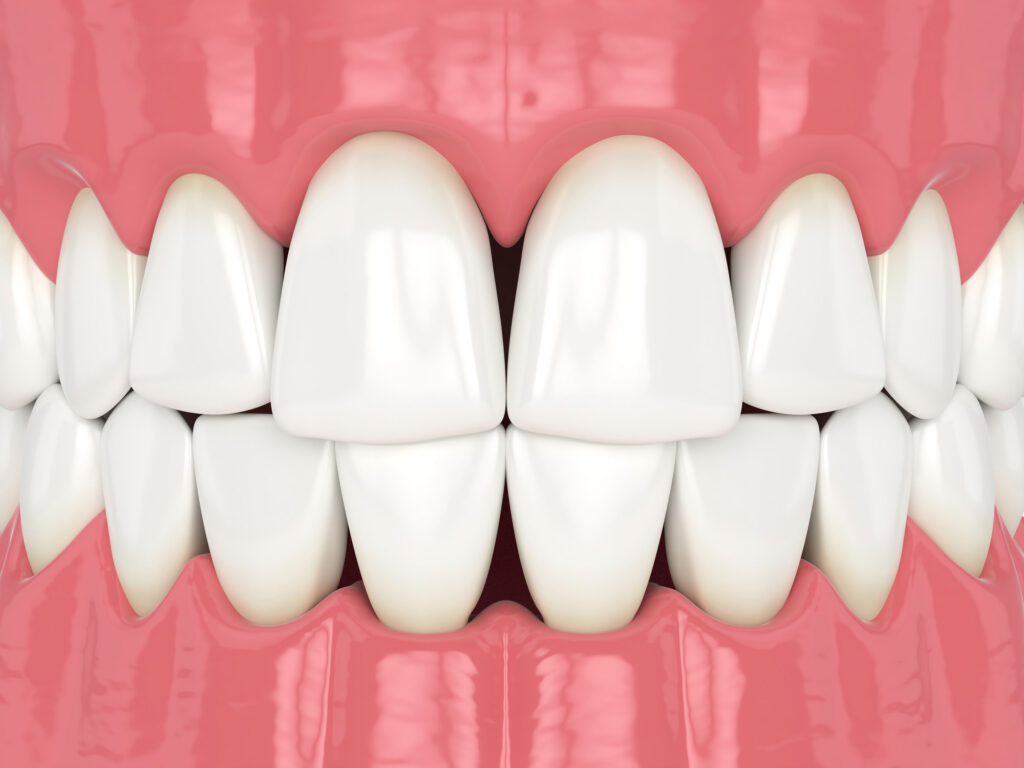
If you’ve noticed small triangular gaps between your teeth near the gumline, you’re not alone. Often called “dark triangles” or “black triangles,” these spaces can appear gradually and may make teeth look longer or less aligned. While they’re sometimes a cosmetic concern, they can also signal changes in your gum health.
At California Dental Group, we evaluate dark triangles carefully because the underlying cause determines whether treatment is simple, cosmetic, or health-related.
What Are Dark Triangles?
Dark triangles form when the gum tissue between two teeth (called the papilla) no longer fills the space completely. When that tissue shrinks or pulls back, a small gap becomes visible.
These gaps are most noticeable between front teeth, especially when smiling or speaking.
Why Do They Develop?
There isn’t just one reason dark triangles appear. Several factors can contribute.
Gum Recession
When gum tissue recedes due to brushing habits or periodontal disease, the triangular space between teeth may become visible. Even mild recession can create noticeable gaps in the front of the smile.
Bone Loss from Gum Disease
Gum disease affects not only the surface tissue but also the bone supporting your teeth. When bone levels decrease, the gum tissue often follows, resulting in reduced support between teeth and the formation of dark triangles.
Orthodontic Treatment
Sometimes dark triangles become more noticeable after teeth are straightened. When crowded teeth are aligned, triangular spaces that were previously hidden may become visible.
Tooth Shape
Some teeth are naturally more triangular than square. When the contact point between teeth is positioned higher up, more space is left near the gumline, making dark triangles more likely.
Aging
As we age, small changes in gum tissue and bone levels can gradually create visible gaps that weren’t present before.
Why Dark Triangles Matter
Although they are often considered cosmetic, dark triangles can create functional concerns.
These gaps can:
- Trap food more easily
- Make flossing more difficult
- Increase plaque buildup
- Contribute to gum irritation
In cases related to gum disease, the appearance of dark triangles may signal a need for periodontal treatment.
How Dentists Evaluate the Cause
During your visit at California Dental Group, your dentist will:
- Examine gum levels
- Measure pocket depths
- Review digital X-rays for bone support
- Evaluate tooth shape and alignment
- Discuss any history of orthodontic treatment
Understanding whether the issue is structural, periodontal, or cosmetic helps determine the right solution.
Treatment Options for Dark Triangles
Treatment depends on the underlying cause and the size of the gap.
For mild cases, options may include:
- Cosmetic bonding to reshape teeth and close small spaces
- Orthodontic refinement to adjust contact points
- Professional cleanings and improved home care if gum inflammation is present
In some cases, reshaping the tooth edges slightly can move the contact point lower, reducing the visible gap.
If gum disease is contributing, periodontal treatment may be necessary to stabilize the tissue before cosmetic solutions are considered.
For more advanced tissue loss, surgical grafting procedures may sometimes improve appearance, though outcomes vary depending on bone levels.
Can Dark Triangles Be Prevented?
While some causes are anatomical and unavoidable, maintaining healthy gums reduces the risk of recession-related spacing.
Preventive steps include:
- Gentle brushing with a soft-bristled toothbrush
- Daily flossing
- Regular dental cleanings
- Addressing gum disease early
If you’ve noticed new gaps between your teeth or feel food frequently getting trapped near your gums, it’s worth having it evaluated.
Call California Dental Group at 800-407-0161 to schedule an exam and find out what’s causing the change — and what options are available to improve both the health and appearance of your smile.
