
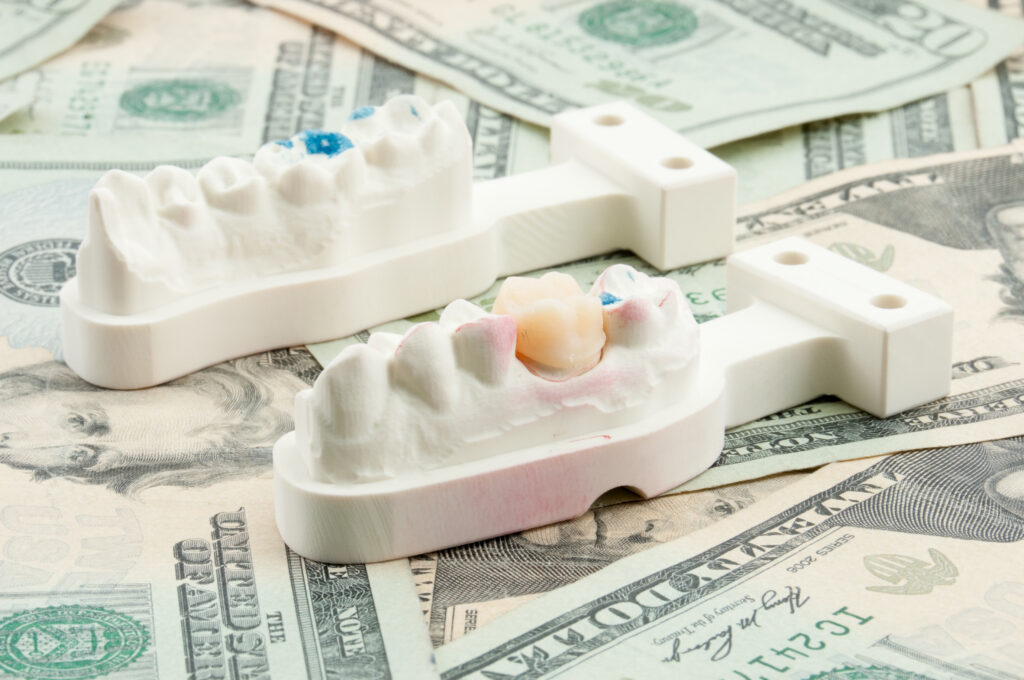
Getting a dental crown usually takes two appointments. At the first visit, your tooth is prepared and a temporary crown is placed to protect it. At the second, your custom permanent crown is bonded in place. The time in between is often overlooked, but how you care for your temporary crown matters. For Pomona patients, knowing what to expect during those weeks can prevent discomfort, avoid a loose or broken temporary, and help your final crown fit properly. At California Dental Group, we want every patient to feel confident from the first visit to the last.
What a Temporary Crown Does
A temporary crown is more than a placeholder. After your tooth is shaped to make room for a dental crown, the prepared tooth is more exposed and vulnerable than usual. The temporary crown serves several important purposes:
- Protects the prepared tooth: It shields the tooth from bacteria, temperature changes, and chewing forces.
- Holds your spacing: It keeps neighboring and opposing teeth from shifting, so your permanent crown fits correctly.
- Maintains appearance and function: It lets you smile, speak, and chew normally while your permanent crown is being made.
Because temporary crowns are made from less durable materials and held with a weaker cement, they need a little extra care.
Eating Tips for Pomona Patients With a Temporary Crown
What you eat plays a big role in keeping your temporary crown secure. A few simple adjustments can make a difference:
- Avoid sticky foods: Caramel, taffy, gum, and chewy candies can pull a temporary crown loose.
- Skip hard foods: Nuts, hard candy, ice, and crusty bread can crack or dislodge the temporary.
- Chew on the other side: When possible, favor the opposite side of your mouth.
- Be mindful of temperature: The prepared tooth may be more sensitive to hot and cold for a short time.
Keeping the Area Clean
Good oral hygiene is still important, but your technique may need a small change. Brush gently around the temporary crown with a soft-bristled toothbrush. When flossing, slide the floss out to the side rather than pulling it back up between the teeth, which could lift the crown off. Keeping the gumline clean helps your gums stay healthy so the permanent crown can seat comfortably.
What Is Normal and What Is Not
Some mild sensitivity or gum tenderness is common for a few days after your tooth is prepared, and it usually improves on its own. Over-the-counter pain relievers can help if needed.
Call your dentist if you notice any of the following:
- The temporary crown comes off or feels loose: It should be recemented promptly to protect the tooth and prevent shifting.
- Your bite feels high or uneven: A temporary that hits first when you close may need a quick adjustment.
- Pain gets worse instead of better: Increasing or throbbing pain should be evaluated.
- The temporary cracks or breaks: A damaged temporary no longer protects the tooth.
If your temporary crown comes off, keep it and call the office. Avoid using household glue, as it can damage the tooth and gums.
When a Crown Follows Other Treatment
Many crowns are placed after root canal therapy or to protect a tooth with a large filling. In these cases, keeping the temporary secure is especially important, because the tooth underneath can be more fragile until the permanent crown is in place.
Finish Your Crown Treatment With Confidence
The weeks between crown appointments go smoothly for most patients with a little extra care. If you have questions about your temporary crown or need a damaged tooth evaluated, the team at California Dental Group is here to help. Call 800-407-0161 to schedule your appointment and keep your smile protected every step of the way.
