
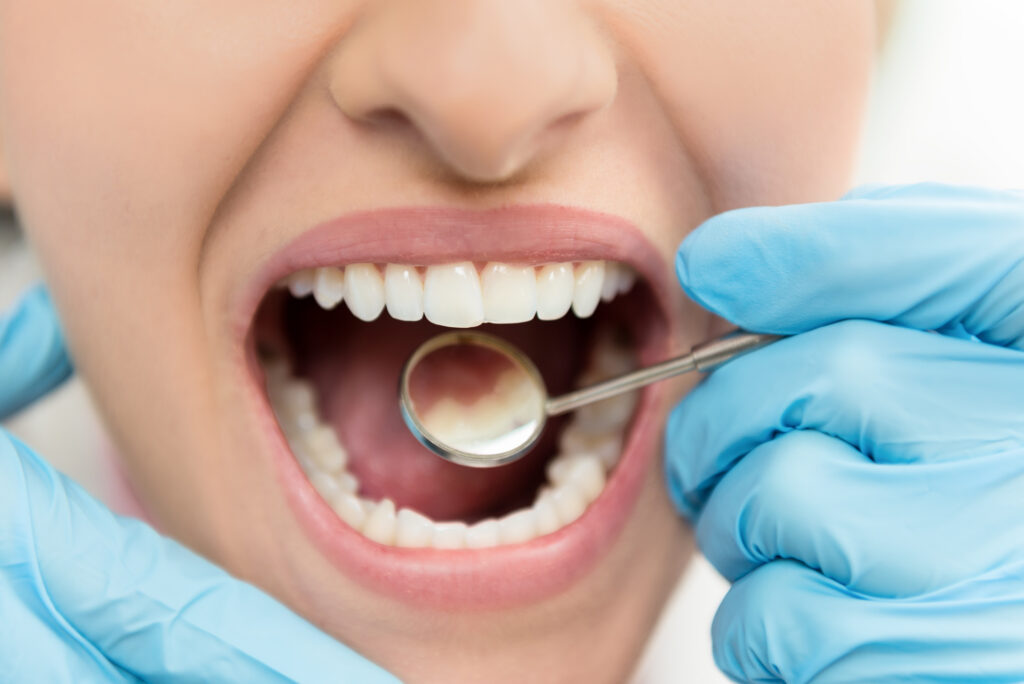
Interproximal cavities are some of the most common yet least noticeable dental problems. Because they form in the narrow spaces between teeth, they often remain hidden until decay has progressed significantly. At California Dental Group, we help patients understand how these cavities develop, what warning signs to watch for, and the most effective steps to prevent them.
What Are Interproximal Cavities?
Interproximal cavities form when plaque and bacteria accumulate between teeth and begin breaking down enamel. Unlike cavities that form on chewing surfaces, these develop in places that are difficult to see and even harder to clean without proper tools. Many patients do not realize they have an issue until they experience lingering sensitivity, pain when biting, or visible changes on dental X-rays.
These cavities can spread quickly because once enamel in these tight spaces is breached, bacteria can move deeper into the tooth structure. That is why routine exams and preventive care at California Dental Group are essential for early detection.
Why Cavities Develop Between Teeth
Several everyday habits and oral conditions make interproximal cavities more likely to form. Some causes are behavioral, while others relate to natural tooth alignment or biological factors.
- Infrequent flossing that leaves plaque between teeth
- Teeth that overlap or sit tightly together, trapping bacteria
- A diet high in sugary snacks or acidic beverages
- Dry mouth caused by medications, dehydration, or medical conditions
- Worn or aging fillings that create new crevices where bacteria collect
When plaque remains in these spaces, bacteria convert food particles into acids that gradually erode enamel. Over time, this process can accelerate, leading to larger cavities, infection, or the need for more complex dental treatment.
Warning Signs You Should Not Ignore
Interproximal cavities may not be immediately visible, but there are several symptoms that may suggest a developing problem. Patients often describe discomfort that comes and goes or increases slowly over time. The most common symptoms include:
- Sensitivity to sweets, cold drinks, or pressure when chewing
- A dull or sharp ache between teeth
- Gum irritation or bleeding localized to one area
- Persistent bad breath or a bad taste in the mouth
- Darkening or shadowing near the gumline
These signs do not always indicate a cavity, but they are strong reasons to schedule an evaluation at California Dental Group. Identifying decay early helps preserve more of the natural tooth structure.
Prevention Strategies to Keep Your Smile Healthy
The good news is that interproximal cavities are highly preventable. Simple daily habits, combined with regular professional care, significantly reduce your risk.
- Floss thoroughly every day to remove plaque from tight spaces
- Add a water flosser or interdental brush for deeper cleaning
- Use a fluoride toothpaste to strengthen enamel
- Avoid grazing throughout the day to reduce acid attacks
- Drink plenty of water, especially if you experience dry mouth
- Rinse with a fluoride mouthwash when recommended
- Schedule consistent cleanings and dental X-rays at California Dental Group
These habits support healthier enamel and reduce the conditions that allow decay to develop in hidden areas.
How California Dental Group Treats Interproximal Cavities
Treatment depends on how far the decay has progressed. Small cavities can often be treated with tooth-colored fillings that blend naturally with surrounding enamel. Moderate decay may require a dental crown to provide strength and restore proper function. In more advanced cases, when bacteria reach the tooth’s inner pulp, root canal therapy may be necessary.
Because interproximal cavities can grow quickly, early detection is the most effective way to avoid more extensive treatment. Routine dental visits at California Dental Group allow our team to monitor these areas closely and address problems before they worsen.
Protect Your Oral Health with Preventive Care
Interproximal cavities may be common, but they do not have to compromise your smile. With consistent at-home habits and regular dental checkups, you can prevent decay, preserve strong enamel, and maintain long-lasting oral health. If you have noticed sensitivity or discomfort, or if it has been a while since your last exam, contact 800-407-0161 to schedule a visit with California Dental Group. Our team is dedicated to helping you protect your teeth and keep your smile healthy for years to come.
