
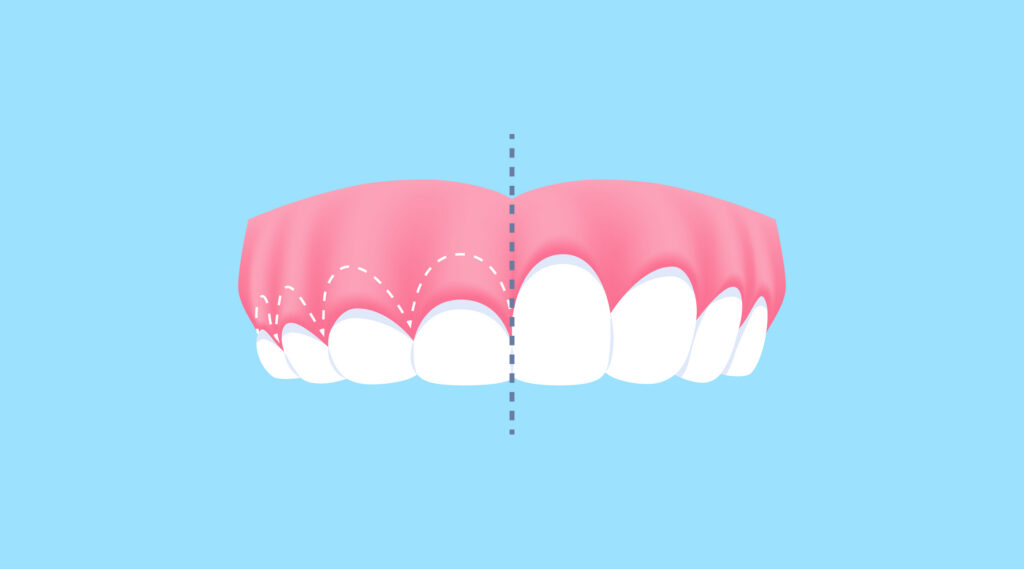
If your teeth seem longer than they used to, you’re not imagining it. One of the most common reasons for this change is gum recession. While it often develops gradually, gum recession is not just a cosmetic concern. It can increase tooth sensitivity, raise your risk of root decay, and signal underlying gum disease.
At California Dental Group, we help patients understand why gum recession happens and what steps can prevent it from progressing.
What Is Gum Recession?
Gum recession occurs when the gum tissue pulls back from the tooth, exposing more of the tooth surface — and sometimes the root. Healthy gums fit snugly around each tooth, creating a protective seal. When that seal shifts, the exposed areas become more vulnerable.
Common signs of gum recession include:
- Teeth that appear longer
- Sensitivity to cold, heat, or sweets
- Small notches near the gumline
- Uneven gum levels
- Food getting stuck more easily
Because it usually happens slowly, many patients don’t notice it until discomfort develops.
Why Do Gums Recede?
Gum recession rarely has a single cause. It is typically linked to one or more of the following factors.
Brushing Too Hard
Aggressive brushing is one of the most common causes. Using a hard-bristled toothbrush or scrubbing with excessive pressure can gradually wear away gum tissue. Over time, this mechanical trauma can lead to visible recession, especially along the outer surfaces of the teeth.
Switching to a soft-bristled toothbrush and using gentle circular motions can significantly reduce this risk.
Gum Disease
Periodontal (gum) disease is another major contributor. When plaque and bacteria build up along the gumline, they trigger inflammation. If untreated, this inflammation can damage gum tissue and supporting bone, causing the gums to pull away from the teeth.
Recession caused by gum disease may also be accompanied by bleeding gums, bad breath, or loose teeth.
Teeth Grinding or Clenching
Chronic grinding or clenching places excess force on teeth and their supporting structures. This stress can contribute to gum recession, especially when combined with other risk factors. Many people grind their teeth at night without realizing it.
Misaligned Teeth
When teeth are misaligned, certain areas may absorb more chewing force than others. That uneven pressure can gradually affect the surrounding gum tissue, increasing the likelihood of localized recession.
Why Gum Recession Matters
Exposed tooth roots are not protected by enamel. They are softer and more prone to decay. As recession progresses, patients may experience:
- Increased sensitivity
- Higher risk of root cavities
- Greater plaque accumulation
- Ongoing tissue loss if untreated
Unlike mild gum irritation, recession does not typically reverse on its own. Identifying the cause early helps prevent further damage.
How Gum Recession Is Evaluated
During an exam at California Dental Group, your dentist will assess gum pocket depths, examine bone levels with digital X-rays, and evaluate your brushing habits and bite alignment. Determining the cause is essential for choosing the right treatment approach.
Some cases are stable and only require monitoring and improved home care. Others may need more active treatment.
Treatment and Prevention Options
Treatment depends on severity. For mild recession caused by brushing, adjusting technique and using desensitizing toothpaste may be enough.
If gum disease is present, treatment may include:
- Deep cleaning (scaling and root planing)
- Periodontal maintenance visits
- Improved at-home oral hygiene
If grinding is contributing, a custom night guard can reduce pressure and protect the gums.
In more advanced cases, gum grafting may be recommended to protect exposed roots and improve long-term stability.
Protecting Your Gum Health
While lost gum tissue cannot naturally regrow, you can prevent further recession by:
- Using a soft-bristled toothbrush
- Brushing gently twice daily
- Flossing consistently
- Addressing grinding or bite issues
- Keeping up with routine dental exams
If you’ve noticed changes in your gumline or increased tooth sensitivity, it’s worth having it evaluated. Call California Dental Group at 800-407-0161 to schedule an appointment and protect your smile before recession progresses further.
