
A damaged or decayed tooth doesn’t always require the same treatment. Depending on how much of the tooth structure is affected, a simple filling may be enough, or a more protective crown might be the better long-term solution. Understanding the difference can help Woodland Hills patients know what to expect before they even sit down in the chair.
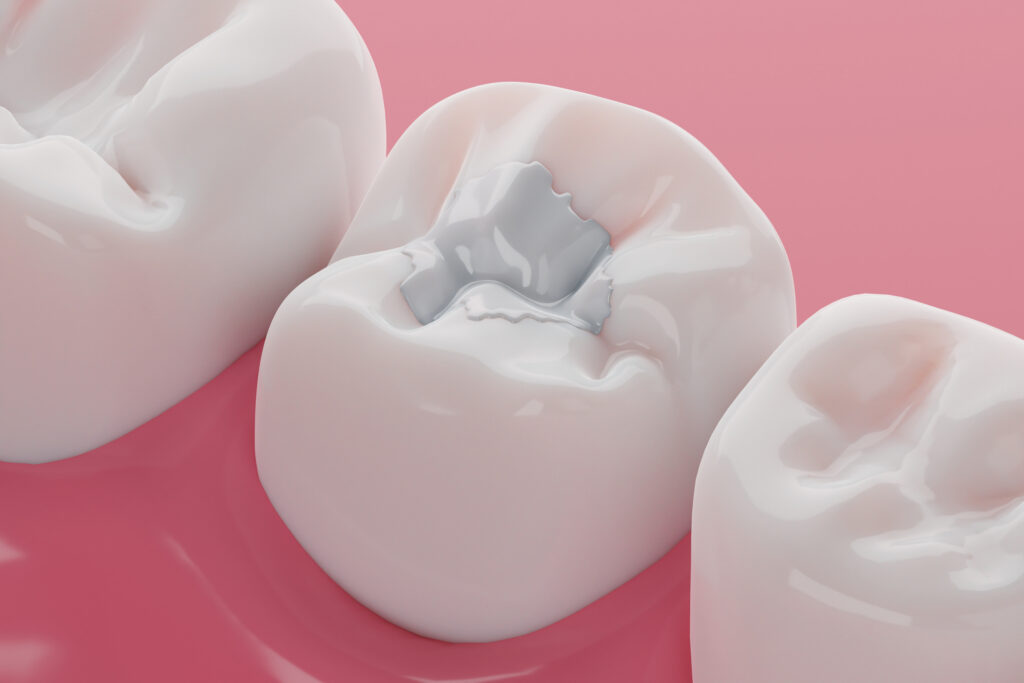
What a Filling Is Designed to Do
A dental filling restores a tooth after a cavity or minor fracture has damaged a small portion of its structure. Composite fillings are placed directly into the prepared tooth, bonded in layers, and shaped to match the tooth’s natural contours in a single visit.
- Best for smaller cavities: Ideal when decay hasn’t spread extensively
- One-visit treatment: Placed and finished during a single appointment
- Tooth-colored material: Blends naturally with surrounding teeth
When a Filling Isn’t Enough
Once decay or damage extends beyond a certain point, a filling may not provide enough structural support to keep the tooth functional and protected. At that stage, a crown becomes the more reliable option.
- Extensive decay: Too much of the tooth structure is compromised for a filling alone
- Cracked or fractured teeth: Cracks that threaten the tooth’s integrity need full coverage
- Weakened teeth: Teeth that have already been heavily filled may need extra reinforcement
What a Crown Provides That a Filling Can’t
A crown covers the entire visible portion of a tooth, distributing chewing forces evenly and protecting the remaining structure from further damage. This makes it the preferred option for teeth that have lost significant strength, whether from decay, a large existing filling, or root canal treatment.
- Full coverage protection: Shields the whole tooth from future fracture
- Restores strength: Supports normal biting and chewing function
- Long-term durability: Built to withstand years of daily wear
Signs It’s Time to See a Dentist
Certain symptoms are worth paying attention to, since they can indicate whether a tooth is still a candidate for a filling or has progressed to needing more extensive coverage.
- Visible decay or discoloration: Dark spots or soft areas on the tooth surface
- Sensitivity when chewing: Pain or discomfort when biting down
- A cracked or chipped tooth: Any visible fracture, even a small one
How the Decision Is Made
During an exam, the dentist evaluates the extent of the damage using a visual assessment and X-rays when necessary. This helps determine how much healthy tooth structure remains and whether that structure can support a filling or requires the added protection of a crown.
- Exam and X-rays: The dentist assesses the tooth’s condition below the surface
- Treatment recommendation: A filling or crown is proposed based on the findings
- Same-visit or multi-visit care: Fillings are typically completed in one visit, while crowns may involve a temporary restoration between appointments
Protecting Your Tooth for the Long Term
Whichever treatment is recommended, addressing a damaged tooth early helps avoid more invasive procedures down the road. Waiting too long can allow decay to progress to the point where a root canal or extraction becomes necessary.
- Early treatment saves structure: Smaller problems require simpler solutions
- Prevents further damage: Addressing issues early protects the tooth long-term
- Maintains function: A properly restored tooth supports normal chewing and bite alignment
Schedule Your Evaluation Today
If you have a damaged or sensitive tooth, don’t wait to find out what it needs. Contact California Dental Group at 800-407-0161 to schedule an appointment and get a clear recommendation for restoring your smile.
