
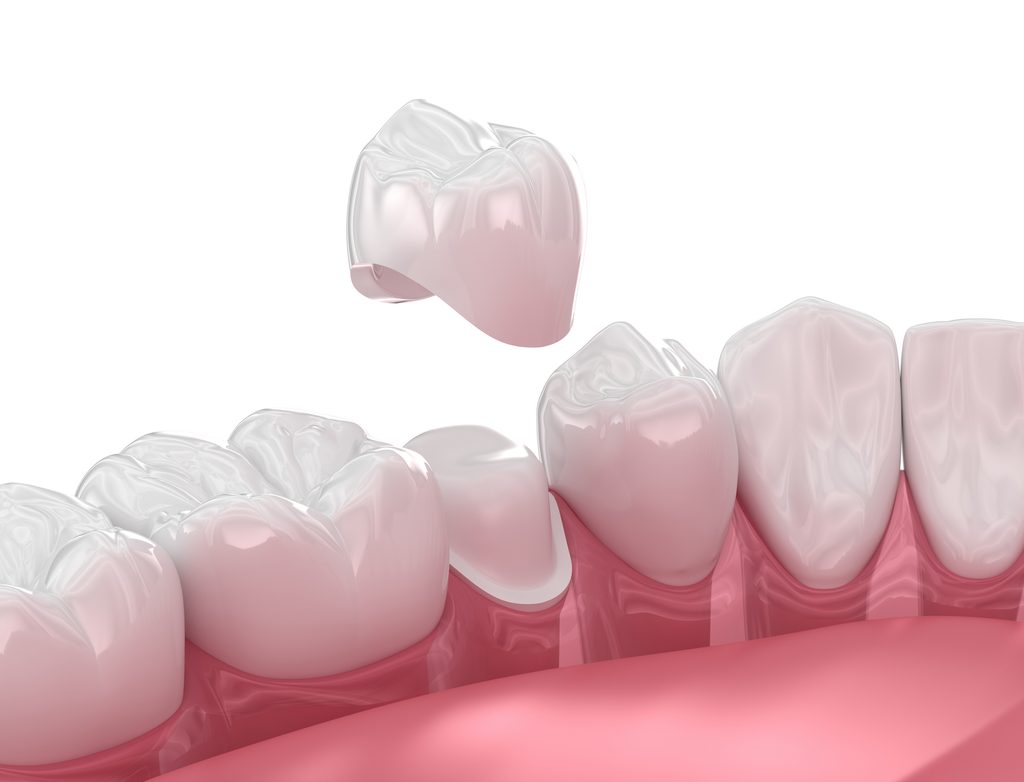
A dental crown is designed to protect a damaged or weakened tooth, so it is easy to assume that a crowned tooth is safe from cavities for good. The crown itself cannot decay, but the natural tooth underneath it still can. For Tustin patients with one or more crowns, knowing where decay starts and how to prevent it can help your restoration last for many years. At California Dental Group, we help patients care for their crowns so they continue protecting their smiles long after treatment.
How a Crowned Tooth Can Still Develop Decay
A dental crown covers the visible portion of a tooth above the gumline. However, part of the natural tooth remains exposed where the crown meets the tooth. This area is called the crown margin, and it is the most common place for decay to develop.
Several factors can make the margin vulnerable:
- Plaque buildup at the gumline: Bacteria collect along the edge of the crown if the area is not cleaned thoroughly.
- Gum recession: As gums pull back, more of the natural tooth root is exposed below the crown, and root surfaces are softer than enamel.
- Aging cement or small gaps: Over many years, the seal between the crown and tooth can wear down, allowing bacteria to seep in.
- Dry mouth: Less saliva means less natural protection against the acids that cause decay.
Why Decay Under a Crown Can Be Hard to Notice
Because the crown covers most of the tooth, decay underneath it often develops quietly. The crown itself will not change color or feel different, so many patients do not realize there is a problem until it has progressed. Possible warning signs include:
- New sensitivity: Discomfort with hot, cold, or sweet foods around a crowned tooth.
- Pain when chewing: Tenderness when biting down on the crown.
- A dark line at the gumline: Discoloration near the edge of the crown.
- Bad taste or odor: A persistent unpleasant taste around the tooth.
- A loose crown: Decay can weaken the tooth structure that holds the crown in place.
Protecting Your Crowns in Tustin
The good news is that decay around crowns is largely preventable. A few consistent habits make a big difference:
- Brush along the gumline: Angle your toothbrush toward the gums and gently clean the edge where the crown meets the tooth.
- Floss every day: Wrap the floss around the side of the crowned tooth and slide it gently below the gumline to remove trapped plaque.
- Use fluoride toothpaste: Fluoride strengthens the exposed tooth structure around the crown margin.
- Limit sugary snacks and drinks: Frequent sugar feeds the bacteria that cause decay.
- Stay hydrated: Drinking water helps if you are prone to dry mouth.
The Role of Regular Dental Visits
Routine dental exams and check-ups allow your dentist to check the margins of your crowns and use X-rays to spot decay that cannot be seen by looking. Professional teeth cleanings also remove hardened tartar along the gumline that brushing and flossing cannot reach.
What Happens If Decay Is Found
When decay is caught early, treatment is often simpler. In some cases, the crown may need to be removed so the decay can be cleaned out before a new crown is placed. If decay reaches the nerve of the tooth, root canal therapy may be needed to save it. Early detection is the best way to keep treatment as straightforward as possible.
Keep Your Crowns Working for You
A crown is a long-term investment in your smile, and a little daily care helps protect it. If you notice sensitivity around a crowned tooth or it has been a while since your last check-up, the team at California Dental Group is ready to help. Call 800-407-0161 today to schedule your appointment.
